Introduction
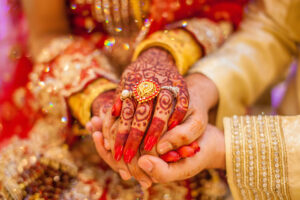
Mehendi, an essential part of Indian weddings, is more than just a decorative ornament. It is a symbol of love, prosperity, and an artistic expression deeply rooted in the rich cultural heritage of India. In this article, we delve into the fascinating world of Mehendi, exploring its history, significance, and the ever-evolving designs that continue to captivate brides and guests alike.
The Origins of Mehendi
The tradition of applying Mehendi dates back thousands of years, with its roots in ancient Egypt, where Cleopatra is said to have used henna for its aesthetic and medicinal properties. The art form eventually made its way to the Indian subcontinent through trade and cultural exchanges. Today, Mehendi is an integral part of various celebrations and ceremonies, with weddings being the most prominent occasion.
Symbolism and Significance
Mehendi is a symbol of love and the bond between the couple and their families. It is believed that the darker the Mehendi color, the stronger the bond between the bride and her future spouse. Furthermore, Mehendi is considered auspicious and is said to bring good luck, prosperity, and fertility to the couple.
The application of Mehendi is also a time for the bride to relax and enjoy the company of her friends and family before the wedding. This pre-wedding ritual is often accompanied by music, dancing, and laughter, creating a joyous and festive atmosphere.
Intricate and Evolving Designs
Mehendi designs have evolved over time, incorporating various styles and patterns from different regions of India and the Middle East. The most popular designs include intricate patterns of flowers, leaves, vines, and paisleys, which are drawn meticulously to cover the hands and feet of the bride. Some brides opt for more personalized designs, incorporating the names or initials of their spouse or other meaningful symbols.
In recent years, there has been a surge in the popularity of fusion designs, which blend traditional Indian patterns with contemporary elements such as geometric shapes, mandalas, or even minimalist and abstract art.
The Mehendi Ceremony
The Mehendi ceremony typically takes place a day or two before the wedding, attended by close friends and family, predominantly women. A professional Mehendi artist or a skilled family member applies the henna paste on the bride’s hands and feet, while other female guests also adorn their hands with simpler designs.
The ceremony is often a lively affair, with music, singing, and dancing. It is an opportunity for the bride to bond with her family and friends as they share stories, advice, and blessings for her new journey.
The Modern Twist
In recent years, there has been a growing trend of incorporating eco-friendly and organic henna options, as well as experimenting with colored henna and glitter accents to make the designs more vibrant and eye-catching. Additionally, Mehendi-inspired temporary tattoos and jewelry have gained popularity among those looking to embrace the beauty of this art form without the commitment of traditional henna.
Conclusion
The ancient art of Mehendi continues to be an integral part of Indian weddings, symbolizing love, prosperity, and the rich cultural heritage of the country. As modern brides embrace new trends and styles, the tradition of Mehendi evolves, ensuring that this beautiful form of expression remains a cherished part of celebrations for generations to come.